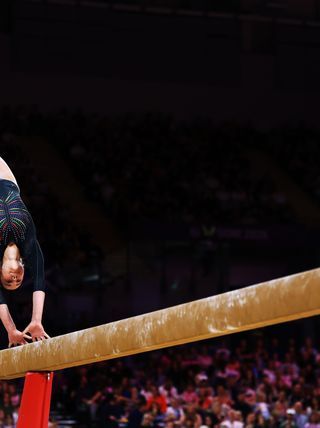
Synonymous with strength, skill, and style, Artistic Gymnastics sees athletes leap, twist and fly across a range of iconic apparatus, earning scores from a panel of judges and amazement from spectators.
Arms, legs, shoulders, back, chest and abdominal muscles are pushed to the limit during a complex series of movements that test explosive power as well as endurance.
At multi-sport Games, without question, Artistic Gymnastics consistently generates some of the most mesmerising moments for spectators - perfect landings, jaw-dropping routines and medals won by tenths of a point.
So, whether it’s vaulting high, somersaulting across the floor, or performing seemingly gravity-defying routines on Uneven Bars, expect moments that get you on your feet and leave you wanting more.
Here’s how it works:
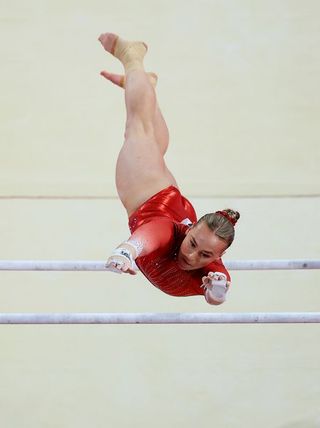
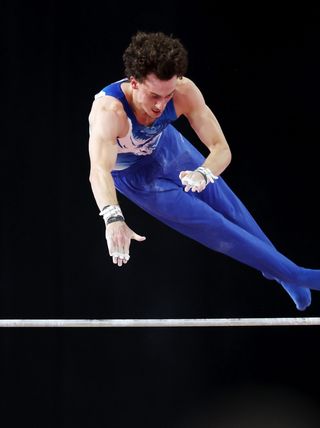
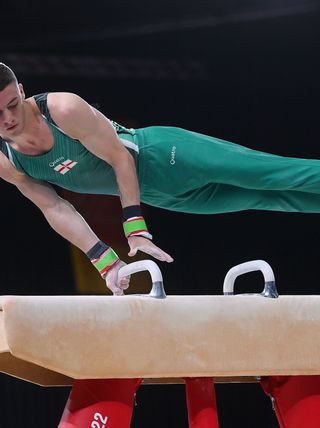
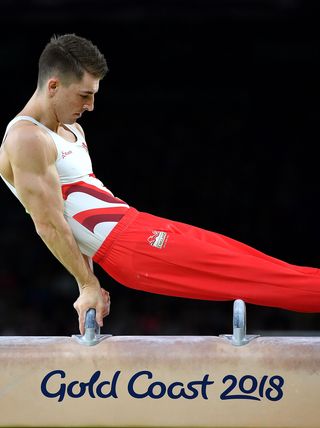
Women can compete across four apparatus: Vault, Uneven Bars, Balance Beam and Floor Exercise. Men are eligible to contest six apparatus: Floor Exercise, Pommel Horse, Still Rings, Vault, Parallel Bars and Horizontal Bar.
Scores are based on difficulty and execution, with medals awarded to the best individual and highest-scoring performance on each apparatus.
In the Individual All-Around event, competitors compete on each apparatus for which their sex is eligible, with medals awarded to the three gymnasts who attain the highest combined scores.
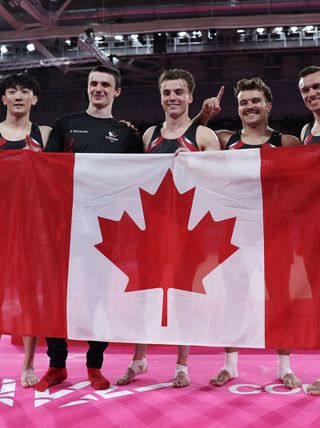
In the Team All-Around event, at least two of the nation’s gymnasts will compete on each of the apparatus. Should three contest a discipline, then only the two highest scores will count towards the team’s overall score, which helps to determine the overall finishing positions and medallists.
Did you know?
- Artistic gymnastics made its Commonwealth Games debut at Edmonton 1978. After a 12-year break, it returned for Auckland 1990, and it has featured at every Commonwealth Games since then.
- While England has topped the gymnastics medal table at the last three editions of the Commonwealth Games, Canada holds the number one ranking in the all-time standings with 156 medals, 58 gold, with Australia (151/51) second and England (116/45) third.
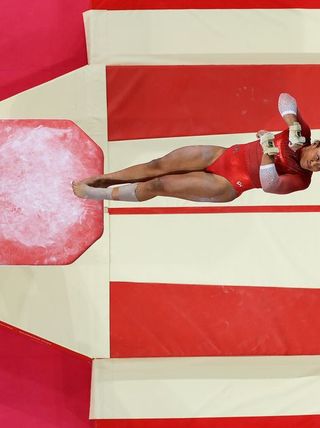
- Although gymnastics is all about perfection and precision, the sport can get messy. You might have noticed gymnasts in these events dusting their hands with clouds of white powder before competing. This is a type of powdered chalk and has the function of absorbing sweat from the athletes’ hands - minimising the risk of slipping off - while at the same time allowing them to swing freely around the apparatus
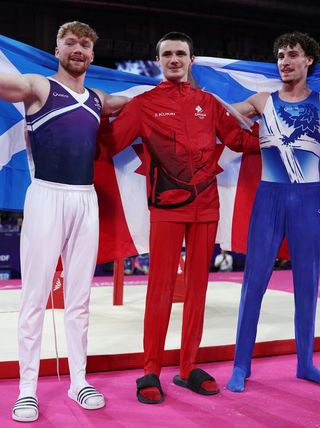
The competition featured exceptional displays across the apparatus finals from stars such as Luke Whitehouse, Felix Dolci, Ruby Evans and Rhys McClenaghan, delivering a week of spectacular routines and medal-winning performances.
One incredible tale of resilience was New Zealand gymnast Courtney McGregor's journey to the games. Twelve years after first travelling to Glasgow in 2014 as a teenager, McGregor finally got to make her Commonwealth Games debut.
Back in 2014, a knee injury forced the 15-year-old to withdraw the day before competition. She returned to make her Olympic debut two years later at Rio 2016 as one of New Zealand’s brightest artistic gymnasts.
After taking a five-year break where she worked as a doctor, she returned to elite gymnastics once more as a 27-year-old to Glasgow 2026 finishing 15th overall.